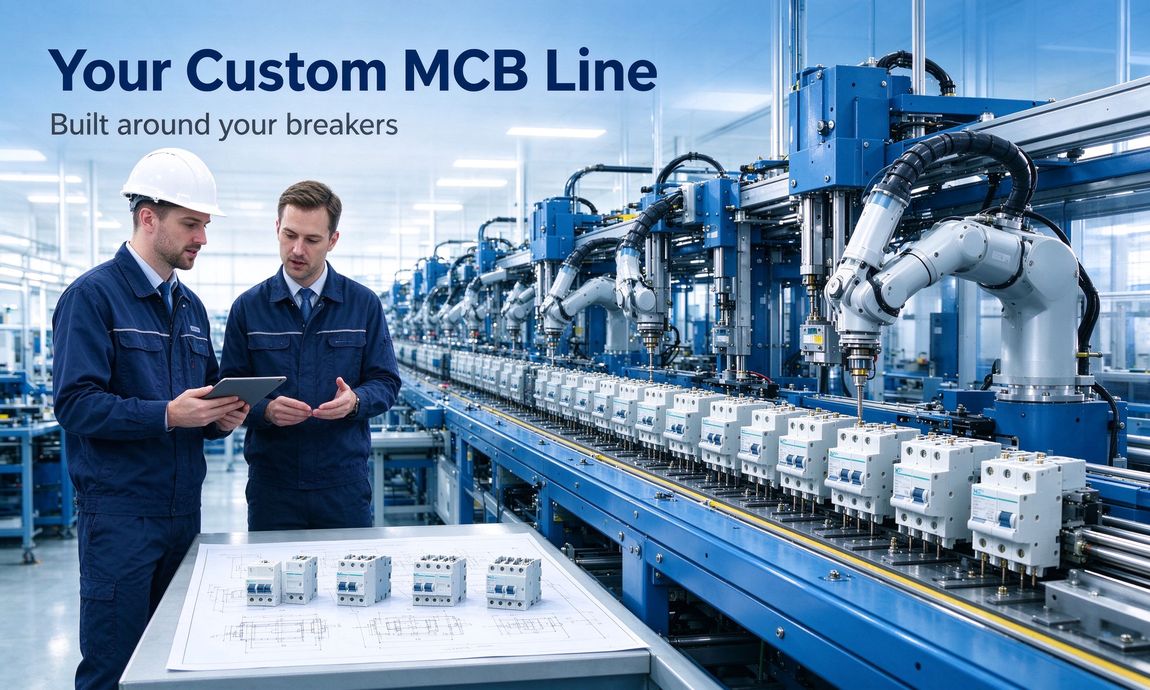
You have three suppliers on the table. All three show a nice demo video. All three quote fast. The question is not who looks sharpest in the brochure, it is who will still be answering the phone when your line is down on a Tuesday night. Picking an MCB automatic assembly line maker is less about the spec sheet and more about what happens after the truck leaves. A cheap MCB automatic assembly line that nobody can service is not a saving, it is a parked machine. An MCB automatic assembly line you cannot run yourself is an MCB automatic assembly line that runs for them, not for you.
Have they built your kind of MCB before?
This sounds obvious, but it trips people up. A shop that makes assembly lines for relays has a certain muscle memory. A shop that has spent years on MCBs knows where the pitfalls hide: the tripping mechanism, the contact riveting, the screw torque that drifts. When you talk to a manufacturer about your MCB automatic assembly line, ask them to walk you through a line they built for a similar rating. Not a render. A running line. If they hesitate on the details, that tells you something. An MCB automatic assembly line is not a generic conveyor. It is built around your product, and the builder who has done it before will know your problems before you describe them. A builder who has only done lighting switches will learn on your dime, and that learning shows up in the first three months of production.
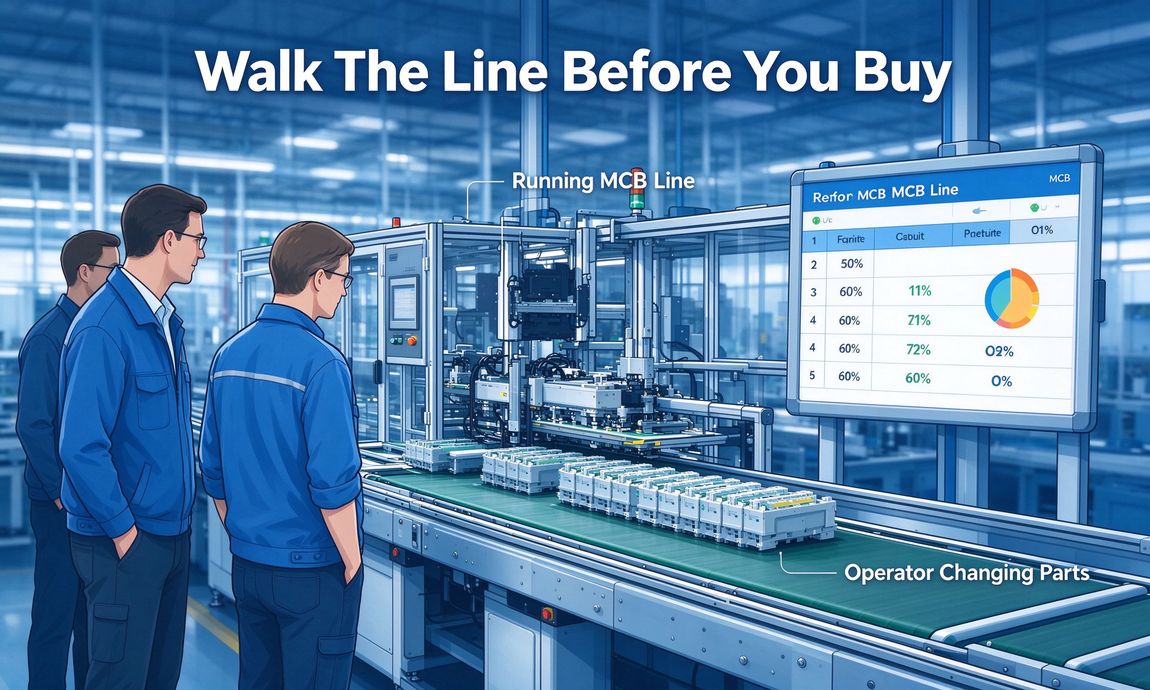
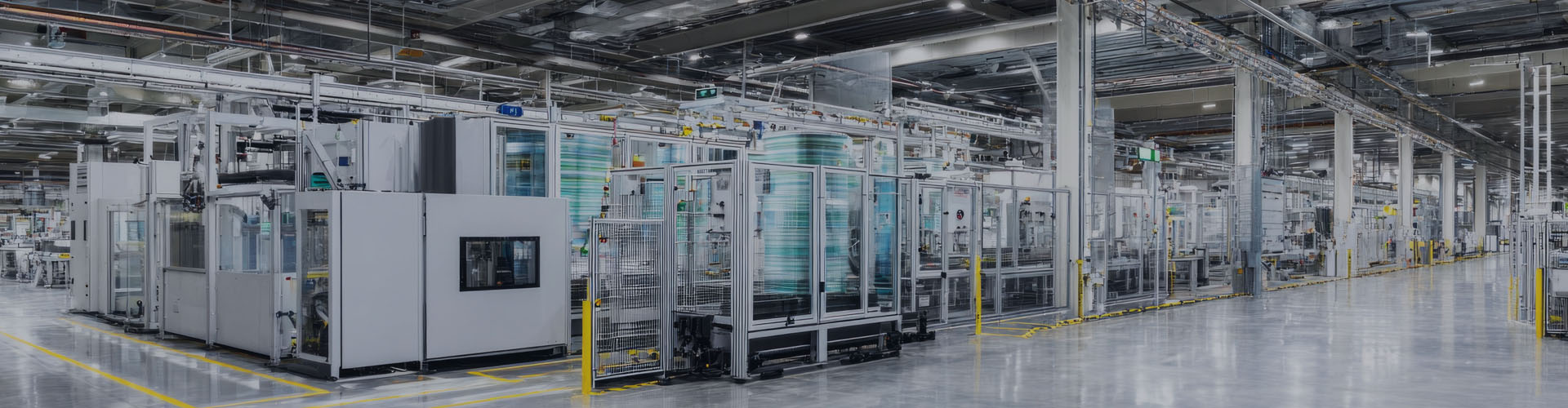
Figure 1. A running MCB line worth walking through before you sign the purchase order.
Do they hand over drawings, programs and spare parts?
Here is where a lot of buyers get burned. The line goes in, it works, and then two years later a sensor breaks and the manufacturer wants three weeks to ship a replacement. Ask up front: do you get the electrical drawings, the PLC program, the gripper drawings? Can you stock your own wear parts? At ACA Automation we hand our customers the drawings and the source programs on the day of acceptance, because an assembly equipment line the customer cannot service on their own is a hostage situation. An MCB automatic assembly line should be yours to run, not theirs to lock. When you own the drawings, your maintenance team can change a sensor on a Saturday. When you do not, you wait until Wednesday.
What does acceptance actually look like?
Anybody can say "we accept against the spec." Get it in writing. What cycle time? What first-pass yield? How many units run on the line before you sign off? A manufacturer who gives you a vague acceptance clause is a manufacturer who will be arguing about it later. A good MCB automatic assembly line maker will sit down with you and write the acceptance numbers before the contract is signed, because they know their line can hit them. Ask them to run a trial batch on your parts, not on their demo parts. That trial batch tells you more than any slide deck. If they hesitate to run your parts, that hesitation is a warning. An MCB automatic assembly line that cannot prove itself on your MCBs before you sign is an MCB automatic assembly line that will prove itself after you sign, at your expense.
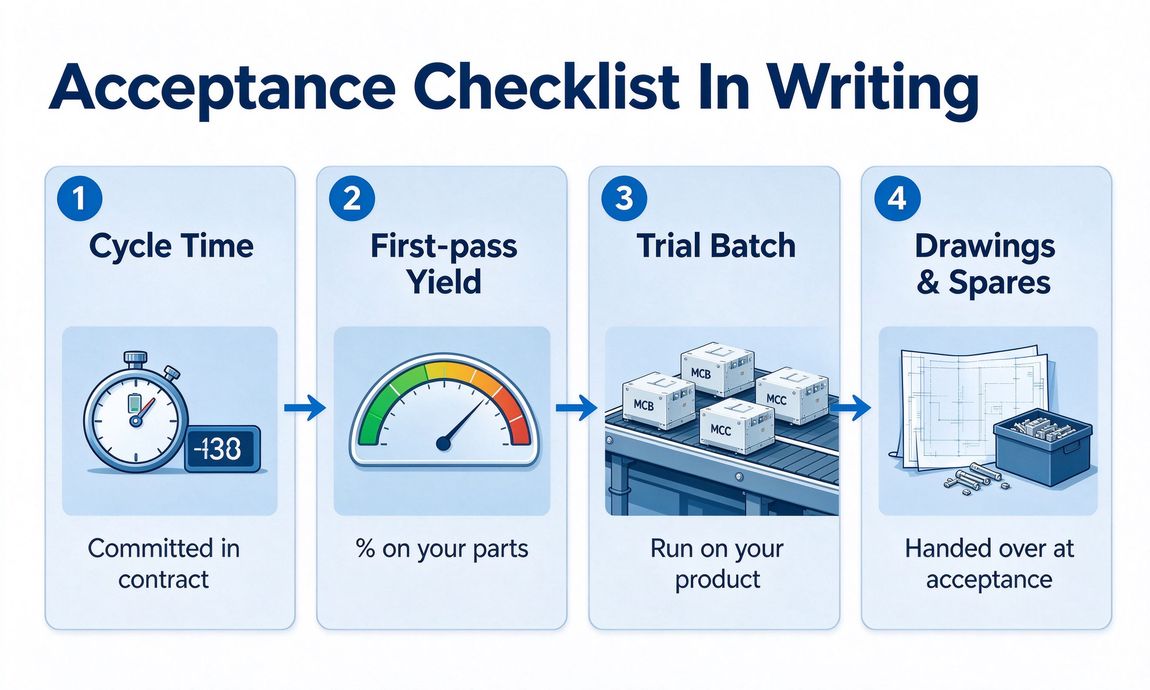
Figure 2. The acceptance checklist you want written into the contract before signing.
Can you walk into a factory that already runs one?
This is the one people skip. They read the references, they nod, they move on. Pick up the phone and ask to visit a current customer. Not a polished reference they coach you on. A real factory. Stand next to the line for an hour. Watch an operator change a part. Ask them what went wrong in the first three months. If the manufacturer pushes back on the visit, that is its own answer. At ACA Automation we encourage the visit, because an about-us page only says so much, and a running line says the rest. When you stand in front of an MCB automatic assembly line that has run two shifts a day for two years, you learn more than any quotation tells you. You see the wear marks, the quick-change nests, the operator who knows the line by heart.
So when you line up your three suppliers, do not just compare the price. Ask who has built your MCB before, who hands over the drawings, who writes the acceptance numbers down, and who lets you walk into a factory that already runs one. That is how you end up with an MCB automatic assembly line that makes parts instead of making phone calls. An MCB automatic assembly line is a ten-year decision, and the cheap quote rarely stays cheap when the maintenance calls start. A well-chosen MCB automatic assembly line maker earns their price back in the first year of uptime.
Frequently asked questions
How long should an MCB assembly line take to pay back?
That depends on your volume and your current headcount, but the question to ask the manufacturer is how they calculate it, not what their marketing says. Get them to commit to a cycle time and a yield, then do the math yourself.
What happens if the line breaks after warranty?
Ask who services it, what spare parts you stock, and whether you hold the drawings and programs. A line you cannot service is a line that stops when the manufacturer stops answering.
Should we visit a current customer?
Yes. Stand next to the running line for an hour, watch a part change, and ask what went wrong in the first three months. If the manufacturer pushes back on the visit, that tells you more than the reference list.
If you are weighing suppliers for your next MCB line, send ACA Automation your product rating and your current cycle time, and we will show you an MCB automatic assembly line that already runs the same thing. An MCB automatic assembly line you can walk into, touch, and see before you sign is worth more than any quote sheet.