A sales engineer walks into your factory, spreads a few MCB samples on the table and says, "We want a line that puts these together." Fair enough. But a custom MCB automatic assembly line is not something you order off a shelf. The first question I ask back is not "how fast?" It is "what exactly are you building, and how many of it?" Because a line for a 1P 6A residential breaker is a different animal from a line for a 4P 63A industrial one. Let me walk through what we actually talk about before anyone draws a layout.
That conversation is where a lot of projects go sideways early. People jump straight to price, and the MCB automatic assembly line gets sized on a guess. ACA Automation would rather spend two hours on your product and your floor than rebuild a line six months later.
Start from what you actually build, not a catalog
Before we talk about stations, we pin down the breaker. How many poles, 1P, 2P, 3P or 4P? What current range, 6A up to 63A? Are we looking at a thermal-magnetic trip or an electronic one? Does the customer need the snap-on DIN rail body, and what does the terminal look like? Each of these changes how the MCB automatic assembly testing line feeds parts, how it torque-drives the terminals, and what the test stations have to cover. A line tuned for a single narrow spec runs fast. A line guessed across six specs runs slow and complains. We draw the product range first, then let the MCB automatic assembly line take shape around it. We also ask what the parts look like as they come in: loose terminals, taped reels, molded cases on pallets. Feeding is where a lot of MCB automatic assembly Testing line projects lose takt, so we size the feeders early rather than as an afterthought.

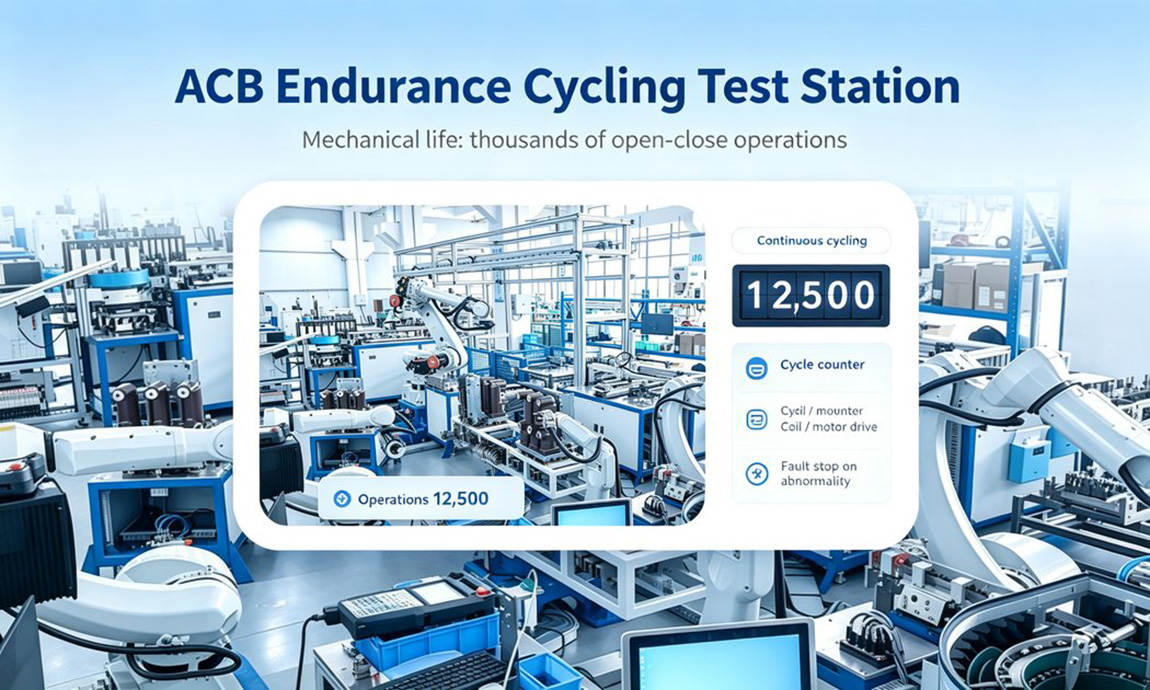
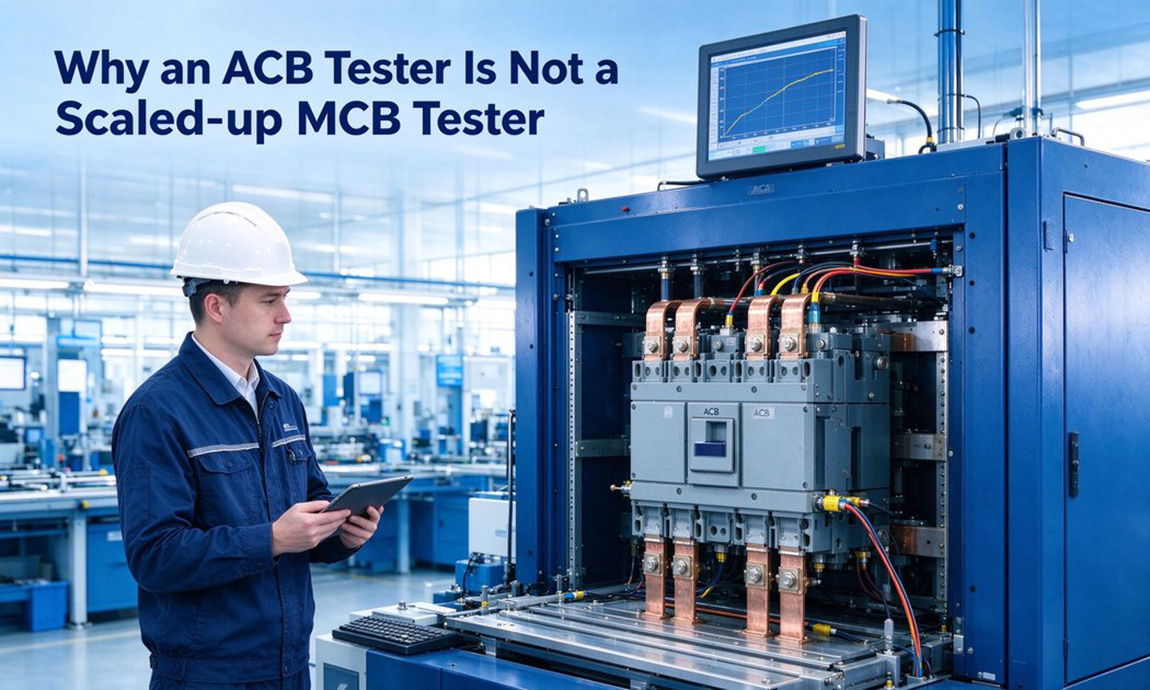
Figure 1. A custom MCB automatic assembly line shaped around the actual breaker range.
Capacity, floor space and what you already run
Next comes the numbers that actually size the machine. How many breakers a day, on what shift? That sets the takt, and the takt sets whether you need a rotary dial, an inline chain or a couple of parallel stations. Then the floor: how long and how wide is the space, where are the doors, and where does the existing testing bench or the packaging machine sit? This matters more than people think. A custom MCB automatic assembly line has to feed from your parts area and hand off to your packing, not sit in the middle of the aisle. We also ask what you already run on the floor, because the new line should hand off to that equipment cleanly rather than strand a worker between two machines. Budget comes last in this list, honestly, but it comes with a tradeoff conversation: how much you automate now versus what you leave semi-automatic and grow into. If you are still proving the product in the market, a cheaper MCB automatic assembly line that leaves a couple of stations manual beats a fully loaded one sitting idle for half the day. We size the MCB automatic assembly line to the takt you really need, not the one on the wish list.
How ACA Automation turns the talk into a line
This is the part where a sketch becomes hardware. We start with a requirement review, then a feasibility pass on the tricky stations, then a solution and a quotation you can read. After that comes a technical agreement where we lock the takt, the stations and the data logging. We build the MCB automatic assembly line in our own shop, assemble and commission it there, and run a FAT before it ships, so you are not debugging a brand-new line on your first Monday. Then packing, shipping, site install, SAT, and training your operators. At ACA Automation we hand over the line working, not just wired. The MCB automatic assembly line runs a pilot batch in our shop, and the FAT report shows the takt you will actually see on the MCB automatic assembly line, not a marketing spreadsheet number. You can see how this fits on our solutions page, and the machines themselves under assembly equipment.
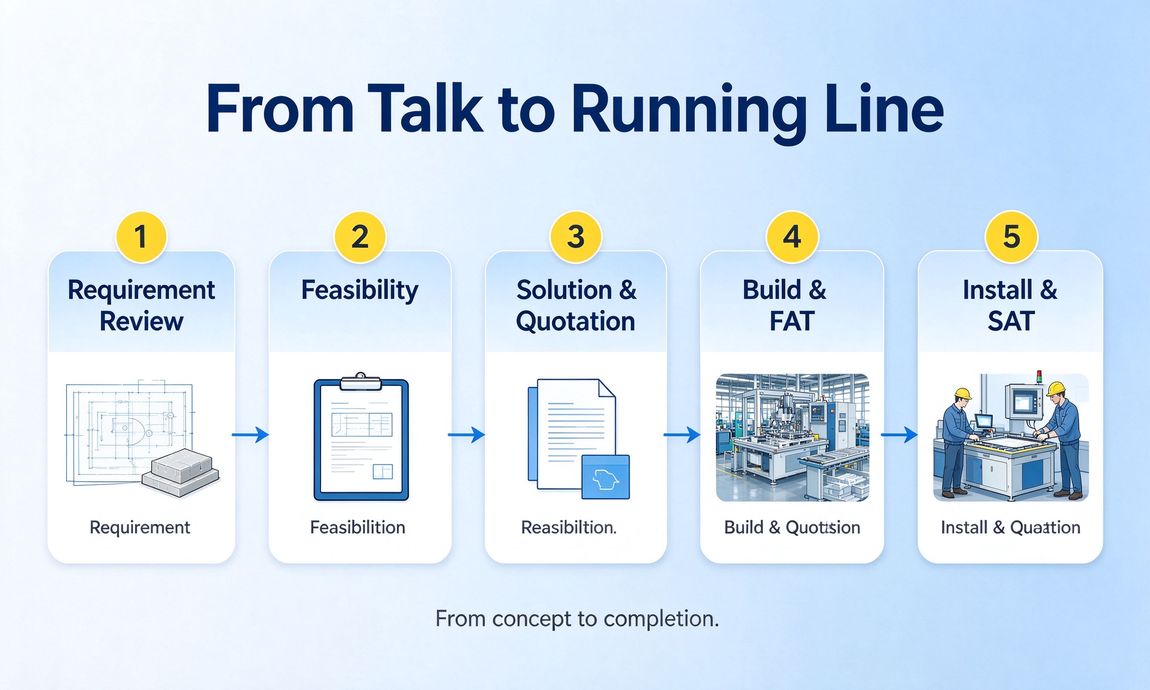
Figure 2. From the first requirement review to the line running on your floor.
What a good custom line leaves room for
Nobody builds one breaker for ten years. Next year you will add a variant, bump a rating, or bring in a second pole count. A custom MCB automatic assembly line that is welded shut for one spec becomes a paperweight the day your catalog changes. So we leave quick-change nests, recipe storage on the HMI, and servo positions you can re-call, rather than re-crank by hand. When you size an MCB automatic assembly line, ask not just "does it make what I sell today," but "what do I want it to make next." That is the difference between a machine you own for a decade and one you replace in three. When we hand over the MCB automatic assembly line, the recipe files for today's breakers are already loaded, and the recipe slots for tomorrow's are empty but ready. The parts and modules behind this are listed under our products range, so growth does not start from zero.
Bring us the samples, the daily target and the floor drawing. We will tell you honestly where a custom MCB automatic assembly line pays off and where a semi-automatic cell is the smarter spend. If you send ACA Automation your breaker range, the first thing you get back is questions, not a quote.
Frequently asked questions
Do we need drawings before we talk to ACA Automation?
Samples and rough specs are enough to start. Detailed 2D or 3D drawings come in at the technical-agreement stage, once the station list is settled.
Can the line handle more than one MCB rating?
Yes, within a planned range. The poles and ratings you expect to build should be on the table early, so the fixtures and recipes are designed around them.
How long does a custom line take?
It depends on the station count and the tricky tests, but expect a feasibility review first, then a build and FAT in our shop before shipment and install on your side.